

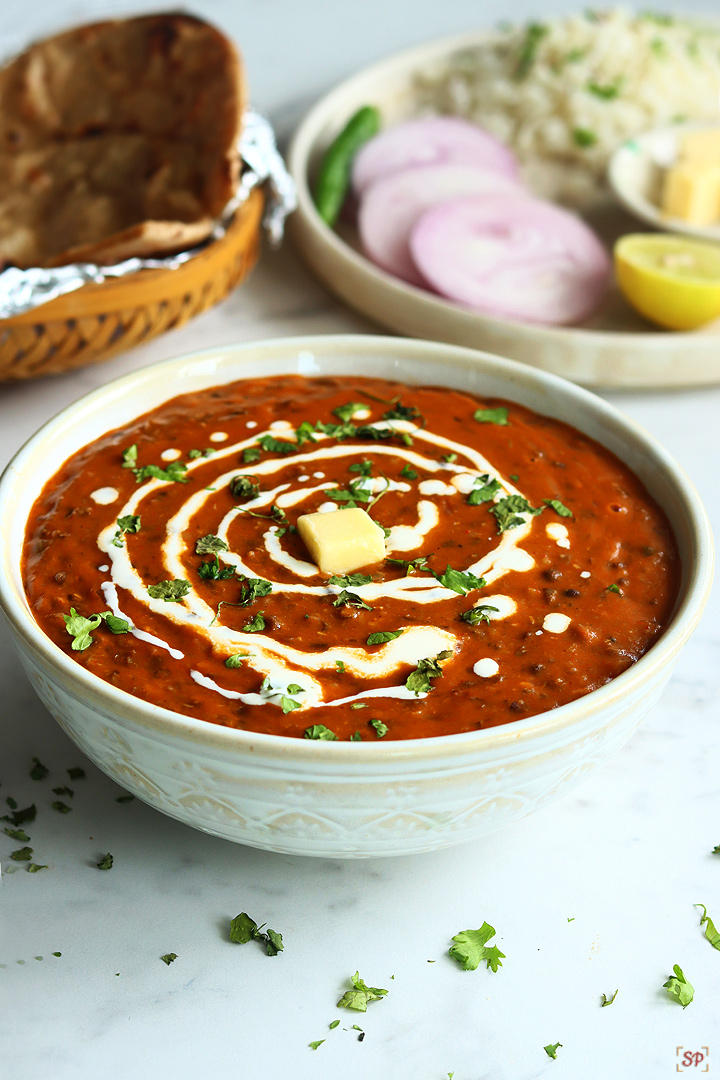
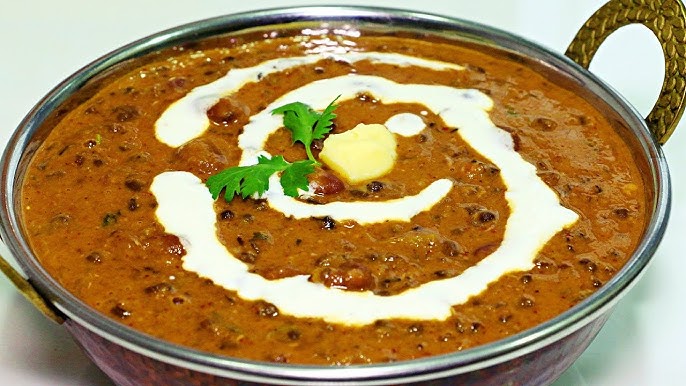
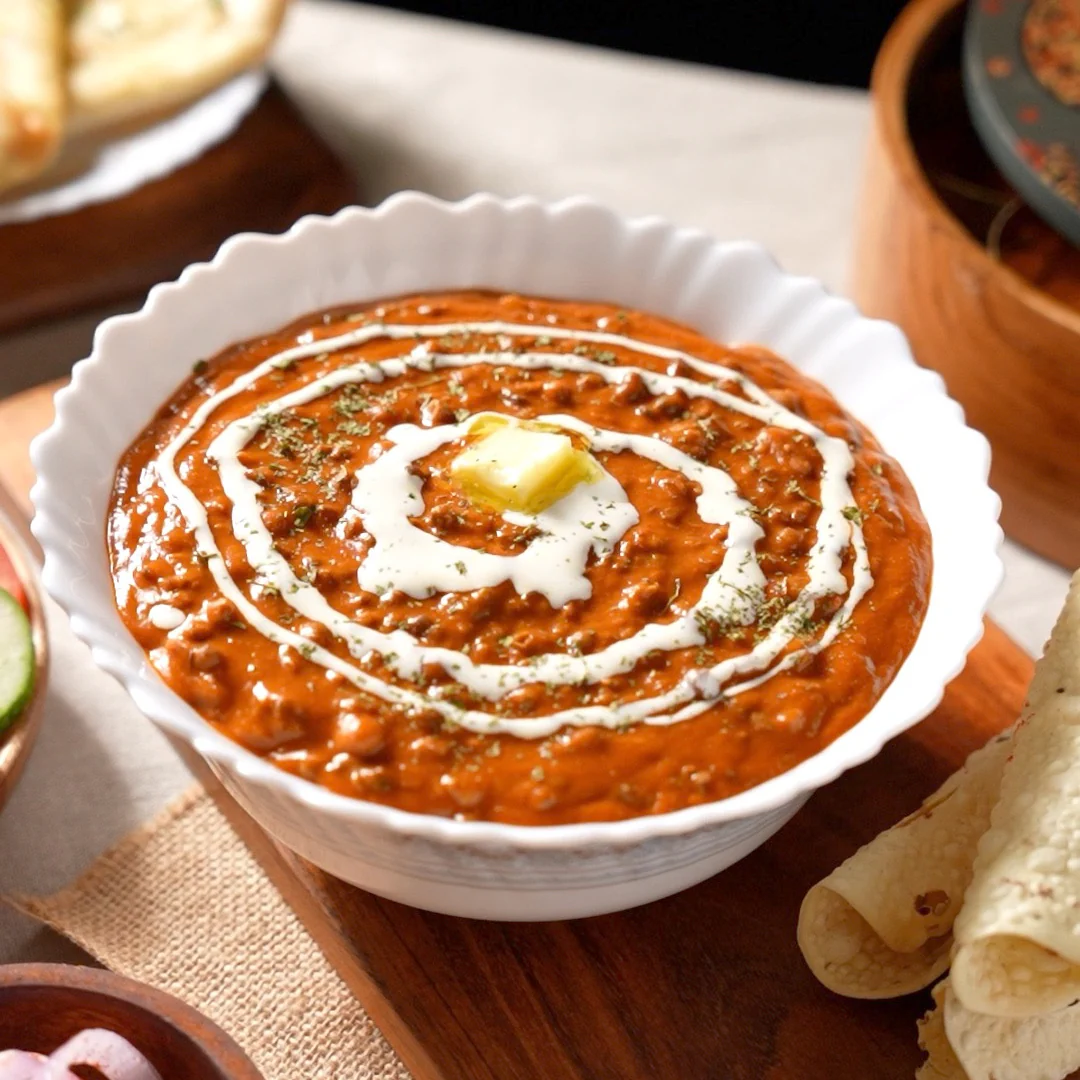
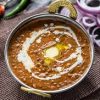
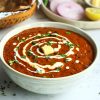
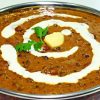
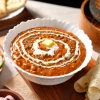
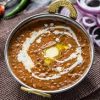
The roots of Dal Makhani can be traced back to the undivided Punjab region, which is present-day India and Pakistan. Originating from the kitchens of Punjabi households, this dish was initially prepared by combining urad dal with rajma, simmered in a pot for hours over a slow flame.
Dal makhani is a dish originating in Punjab region. A relatively modern variation of traditional lentil dishes, it is made with urad dal (black beans) and other pulses, and includes butter and cream (makhani is a Punjabi word for butter).
Gujral is also known for inventing dal makhani which is a mildly spiced pulses curry made with the combination of tangy tomatoes, butter, and rich cream. This combination of mixed spices and dairy products is known as famous dal makhani.
Dal makhani is a popular North Indian dish where whole black lentils & red kidney beans are slow cooked with spices, butter & cream. Dhal or Dal refers to lentils and Makhani translates to buttery. Dal Makhani literally means Buttery dal.
Rich in minerals: Dal makhani is a good iron, phosphorus, and potassium source. Iron is essential for producing red blood cells and preventing anemia, while phosphorus is vital for bone health. Potassium helps in regulating blood pressure and maintain heart health.
For the record, eminent journalist Vir Sanghvi, Gautam Anand of ITC Hotels and Manjit Gill, corporate chef of the ITC group, have all confirmed that Kundan Lal is indeed the inventor of dal makhani.
Dal Makhani is one of the most popular dishes in India, gifted from the northern state of Punjab.


Reviews
There are no reviews yet.