



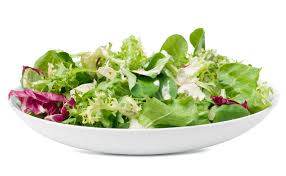








Salad greens contain Vitamin A, Vitamin C, beta-carotene, calcium, folate, fiber, and phytonutrients (see Table 1). Leafy vegetables are a good choice for a healthful diet because they do not contain cholesterol and are naturally low in calories and sodium.
Salads are a powerhouse of essential nutrients, providing the body with a wide array of vitamins and minerals crucial for maintaining optimal health. Dark, leafy greens such as spinach and kale are rich in vitamins A, C, and K, promoting healthy skin, boosting the immune system, and supporting bone health.
There is concern that the body does not easily absorb raw fruits and vegetables. Generally speaking, this has proved false. People who eat salad regularly are much more likely to fulfill their recommended intake of nutrients. Eating a salad every day is healthy because you get vital nutrients, fiber, and good fats.
These include green leafy vegetables such as spinach and lettuce, as well as fennel, rocket, radishes, Chinese cabbage, and parsley. Interestingly, the risk of heart disease started to go down even at a moderate vegetable intake of around one cup per day.
Having a side salad ahead of a meal can prevent blood sugar spikes, improve digestion, and reduce bloating. Consuming raw vegetables high in water content ahead of a denser meal can help lubricate your digestive tract, making it easier for the food that follows to move easier through the body.




Reviews
There are no reviews yet.