
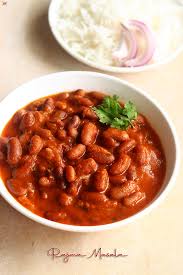

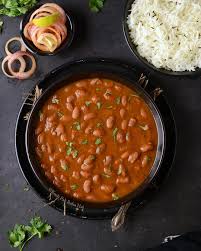

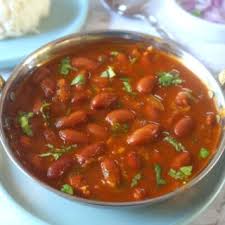
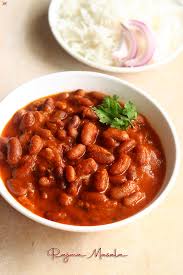
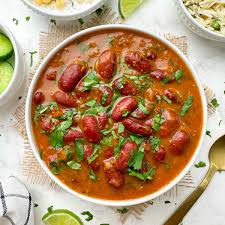
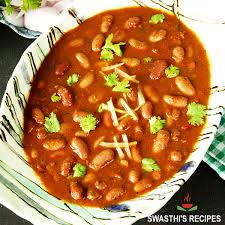
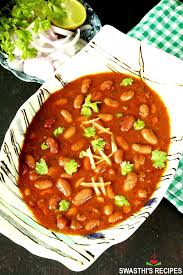


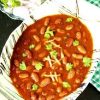
Description. Most people think that Indian food uses mainly chickpeas and a ton of lentil varieties, but this Northern Indian dal uses red kidney beans simmered with tomato, onion and spices.
These are smaller in size than most Rajma grown in plains and have a slightly sweetish taste. The combination of rajma and rice is generally listed as a top favorite of North Indians and Nepalis. Rajma is prepared with onion, garlic and many spices in India, and it is one of the staple foods in Nepal.
Main Ingredient means the item in a product contributing the most weight or volume, excluding water.
The simplest answer is “beans.” A more precise answer is “kidney beans.” People all over the world eat this nutritious food. The beans are usually cooked in water — slowly in the US, under steam pressure in India.
Nutritional Value of Kidney Beans (Rajma) Per 100 gm
The other nutrients present include 67% water, 8.7g of protein, 22.8g of carbs, 0.3g of sugar, 6.4g of fibre, 0.5g of fat and 30.17g of omega. The nutritional value of animal proteins is higher than in kidney beans.
Smaller and darker, Jammu Rajma beans are known for their tender texture and rich taste, making them a favorite in traditional Jammu cuisine.
Rajma rice is a popular dish in North India. The states of Punjab, Haryana, and Himachal Pradesh particularly taste Rajma chawal most. Red kidney beans cooked in a thick tomato-based gravy with various aromatic spices and served with rice. This dish is famous for hearty flavor and high protein content.
Etymology. From Hindi राजमा (rājmā), from Punjabi ਰਾਜਮਾਂਹ (rājmā̃h, “kidney bean”).
The Japanese love their adzuki beans (or rajma)–which are known to detoxify the liver and kidneys. But that’s not all, the red beans have a sweet chestnut-like flavour and are packed with fibre, nutrients, B vitamins, and minerals such as manganese, potassium, magnesium, and molybdenum.


Reviews
There are no reviews yet.